
Plastic extrusion is a vital manufacturing process used in various industries to create a wide range of products. This comprehensive guide will delve into the fundamentals of plastic extrusion, the processes involved, and the crucial role machinery plays in this technique. By understanding plastic extrusion, one can appreciate its significance in creating everyday products.
The Basics of Plastic Extrusion
Definition and Overview of Plastic Extrusion
Plastic extrusion is a continuous process where raw plastic materials are transformed into finished products of a specific cross-sectional profile. The process involves melting plastic pellets and forcing them through a shaped die to produce uniform shapes such as pipes, sheets, and films.
The significance of this technique lies in its ability to produce consistent, high-volume products efficiently. The versatility of materials used, including thermoplastics and thermosetting polymers, allows for a myriad of applications across various sectors. For instance, thermoplastics like polyethylene and polypropylene are commonly used due to their excellent chemical resistance and flexibility, making them ideal for packaging and consumer goods. In contrast, thermosetting polymers, such as epoxy resins, are often utilized in applications requiring high durability and heat resistance, such as in electrical components and automotive parts.
The Importance of Plastic Extrusion in Industry
Plastic extrusion is crucial in numerous industries, including construction, automotive, electrical, and medical. Its advantages include the capacity for high-volume production at a lower cost, a wide range of material choices, and the ability to create complex geometries.
Additionally, the process supports recycling initiatives by allowing manufacturers to use recycled plastics, which contributes to sustainability efforts. This efficiency and versatility make it an essential process in modern manufacturing. The ability to customize the extrusion process, including adjusting temperature, pressure, and speed, enables manufacturers to fine-tune the properties of the final product. This adaptability is particularly beneficial in industries like construction, where specific material characteristics, such as UV resistance or impact strength, are often required. Moreover, advancements in extrusion technology, such as co-extrusion and multi-layer extrusion, allow for the creation of composite materials that enhance performance and functionality, further expanding the possibilities for product innovation.
The Plastic Extrusion Process Explained
Pre-Extrusion: Material Selection and Preparation
The first step in the plastic extrusion process is the selection and preparation of raw materials. The choice of plastic type, such as polyethylene, polyvinyl chloride (PVC), or polystyrene, depends on the end product’s desired properties. Each type of plastic offers distinct characteristics; for instance, polyethylene is known for its flexibility and resistance to moisture, making it ideal for packaging applications, while PVC is favored for its durability and rigidity, often used in construction materials.
Once the material is selected, the next phase involves drying and conditioning the plastic to remove moisture. This preparation is crucial, as excess moisture can lead to defects during extrusion. Properly prepared materials ensure consistent flow and product quality. Additionally, additives such as colorants, stabilizers, and fillers may be mixed with the base resin to enhance specific properties like UV resistance, impact strength, or aesthetic appeal. This careful formulation of materials not only optimizes the extrusion process but also tailors the final product to meet specific market demands.
The Extrusion Process: Step-by-Step
After material preparation, the extrusion process itself begins. The dried plastic pellets are fed into the extruder’s hopper, where they are heated and melted as they move through a series of heated barrels. This melting process transforms the solid pellets into a viscous, molten plastic. The extruder’s design plays a vital role in this phase, as features like screw configuration and barrel temperature settings are engineered to facilitate efficient melting and mixing of the material.
Once melted, the plastic is forced through a die that shapes it into the desired profile. This process requires precise control over temperature and pressure to ensure optimal flow characteristics and to prevent degradation of the material. The die itself can be custom-designed to create various shapes, from simple tubes to complex profiles, allowing manufacturers to produce a wide range of products. Furthermore, the speed at which the extruder operates can be adjusted to control the thickness and density of the extruded material, providing additional flexibility in product design.
Post-Extrusion: Cooling and Cutting
After leaving the die, the newly formed plastic product must be cooled to retain its shape. Cooling can be achieved through various methods, such as air cooling or water immersion. This step is critical as it solidifies the extruded material before it is cut or further processed. The cooling rate can significantly influence the final properties of the product; for example, rapid cooling may enhance surface finish but could lead to internal stresses, while slower cooling can improve dimensional stability.
Once cooled, the long extruded sections are cut into manageable lengths. The cutting process can vary depending on the application, including rotary cutting for continuous operation or stationary cutting for batch processes. Additionally, some manufacturers employ advanced techniques such as laser cutting or ultrasonic cutting to achieve precise dimensions and minimize waste. After cutting, the extruded products may undergo further finishing processes, such as trimming, drilling, or surface treatment, to meet specific customer requirements or industry standards. This comprehensive approach ensures that the final products are not only functional but also aesthetically pleasing and ready for their intended applications.
Different Types of Plastic Extrusion
Sheet Extrusion
Sheet extrusion is a specific type of plastic extrusion used to produce flat plastic sheets of varying thicknesses. This process is commonly utilized in packaging, signage, and construction applications.
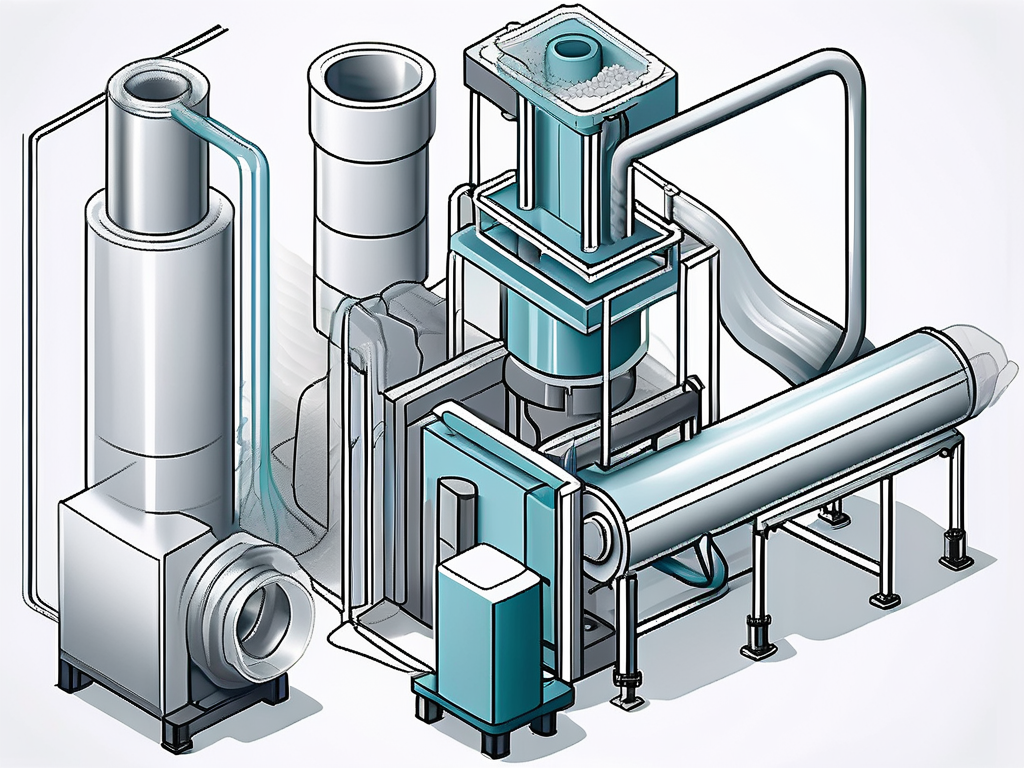
Sheet extrusion can be done using either cast or blown extrusion methods, each yielding different characteristics in terms of clarity and thickness uniformity. The choice of method often depends on the desired application and material used. For instance, cast sheets are known for their excellent optical clarity and are often used in applications requiring high visibility, such as display cases and protective barriers. In contrast, blown sheets are typically thicker and more durable, making them ideal for industrial uses where strength is paramount.
Moreover, the versatility of sheet extrusion allows for the incorporation of various additives, such as UV stabilizers or colorants, which can enhance the performance and aesthetic qualities of the final product. This adaptability makes sheet extrusion a popular choice in industries ranging from automotive to consumer goods, where tailored solutions are often required to meet specific regulatory or functional demands.
Tubing Extrusion
Tubing extrusion is employed to manufacture hollow, cylindrical products such as pipes and tubing. This process typically involves using a special die that allows for the continuous formation of a tube.
Applications for tubing include medical devices, plumbing pipes, and electrical conduits. The ability to create custom diameters and thicknesses makes tubing extrusion particularly valuable across diverse industries. For example, in the medical field, precision tubing is essential for devices like catheters and IV lines, where the inner diameter must be meticulously controlled to ensure proper fluid flow. Additionally, advancements in extrusion technology have enabled the production of multi-layered tubing, which can combine different materials to enhance properties such as flexibility, durability, and chemical resistance.
Furthermore, the tubing extrusion process can be optimized to include features like surface texturing or the incorporation of antimicrobial agents, which are increasingly important in applications requiring hygiene and safety. This level of customization not only improves the functionality of the tubing but also opens up new possibilities for innovation in product design and application.
Co-extrusion
Co-extrusion is an advanced technique that involves the simultaneous extrusion of two or more materials through a single die. This allows for the creation of products with multiple layers, each with distinct properties.
This process is especially beneficial in packaging, where different material characteristics, such as barrier properties or surface finishes, are required. Co-extrusion enhances product functionality and can improve overall performance. For instance, food packaging often utilizes co-extruded films to provide an effective barrier against moisture and oxygen, thereby extending shelf life while maintaining product freshness. The ability to fine-tune each layer’s thickness and composition allows manufacturers to optimize their products for specific environmental conditions and consumer needs.
In addition to packaging, co-extrusion is also finding applications in the automotive and construction industries, where materials with varying thermal and mechanical properties are essential. By layering materials such as rigid plastics with flexible ones, manufacturers can create components that are both lightweight and strong, contributing to improved energy efficiency and performance. The ongoing development of co-extrusion technology continues to push the boundaries of what is possible in material science, leading to innovative solutions that meet the demands of modern applications.
The Role of Machinery in Plastic Extrusion
Understanding Extruders and Dies
Extruders are the backbone of the plastic extrusion process, equipped with a motor-driven screw that transports, melts, and mixes the plastic material. There are various types of extruders, including single-screw and twin-screw extruders, each suited for different applications.
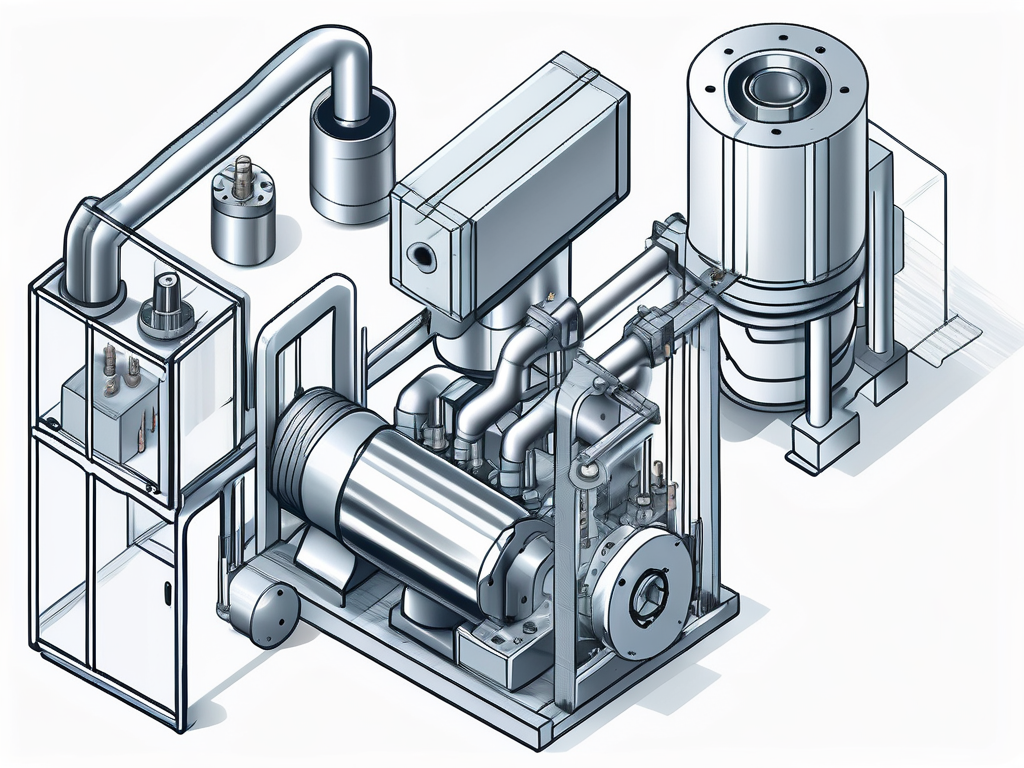
The choice of die design is equally crucial, as it dictates the final shape of the product. Custom dies may be designed to achieve complex profiles, ensuring versatility in manufacturing processes.
The Importance of Cooling Systems
Effective cooling systems are essential in the extrusion process to maintain product integrity. Various cooling methods, such as water baths or air jets, help control the temperature of the extruded product post-die.
The cooling process directly impacts the mechanical properties and dimensional accuracy of the final product. Failure to cool effectively can lead to warping or other defects, underlining the importance of having a well-designed cooling system in place.
Quality Control in Plastic Extrusion
Monitoring and Controlling the Extrusion Process
Quality control is a significant aspect of plastic extrusion, ensuring that products meet industry standards and specifications. Continuous monitoring of the extrusion process, including temperature, pressure, and flow rate, is critical to producing high-quality output.
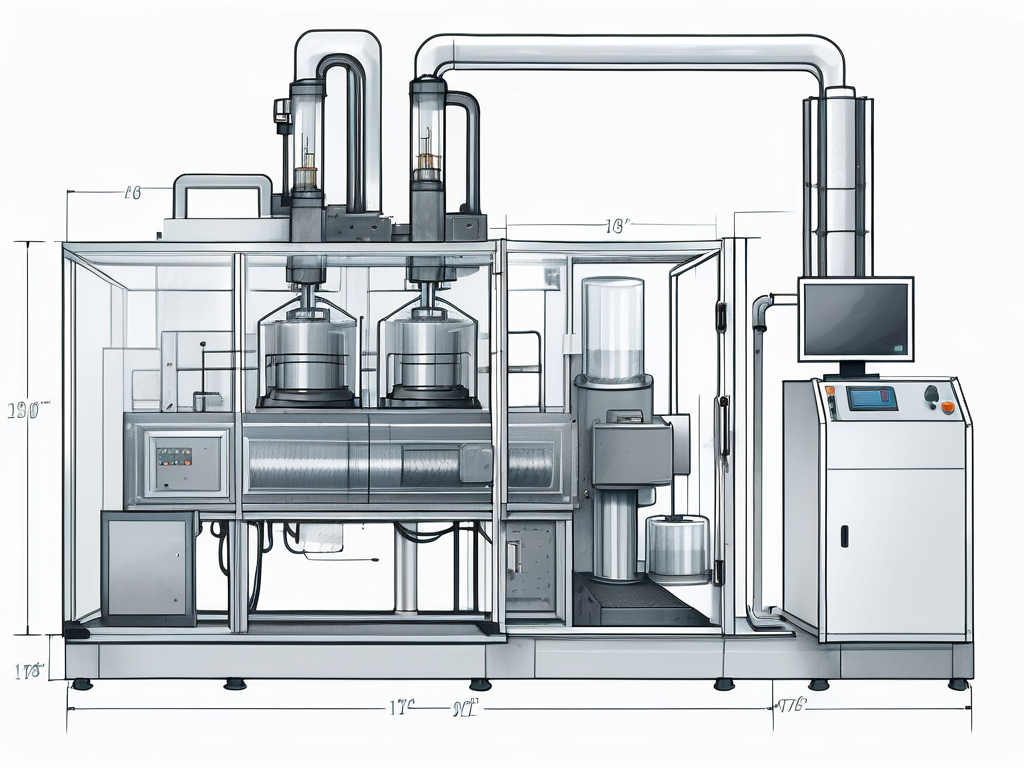
Implementing automated systems can enhance quality control, allowing for real-time adjustments and reducing the likelihood of defects. Daily checks on raw materials, machinery, and finished products are necessary to maintain quality throughout the production cycle.
Common Defects and How to Avoid Them
Despite advances in technology, defects can still occur during the extrusion process. Common issues include inconsistencies in thickness, surface defects, and color variation. Understanding the causes of these defects is vital for quality assurance.
- Inadequate material preparation can lead to poor flow and inconsistent thickness.
- Temperature fluctuations during the extrusion process can cause surface defects.
- Improper cooling may result in warping or dimensional inaccuracies.
By identifying the potential causes of defects and implementing preventive measures, manufacturers can significantly reduce the incidence of quality issues in their extrusion operations.
In conclusion, plastic extrusion is a complex yet fascinating process integral to modern manufacturing. By understanding the fundamentals, types, and quality control measures of plastic extrusion, one can appreciate its role in creating the diverse range of plastic products that enhance our daily lives.
Recent Comments